Product overview: Reynolds Kitchens Disposable Air Fryer Cups
Who this is for: If you want quick single‑serve baking, portioned meal prep for picky eaters, or easy party service, these foil liners can save time and dishwashing. We think they’re a practical, low‑friction option when you don’t want to fuss with pans.
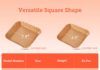
These air fryer cups arrive as a 10‑pack of fl oz cups. The pack includes ten (10) cups, and each cup measures 3.85″ x 2.45″.
Core uses: the manufacturer markets them for muffins, egg bites, mac & cheese, dips, meal‑prep portions and catering to dietary restrictions. The pack is priced at $3.99 and is listed as In Stock, which frames the value for a trial purchase.
The cups are made from aluminum foil and are disposable, so the basic tradeoff is convenience and easy cleanup versus single‑use waste and limited long‑term durability.

Reynolds Kitchens Disposable Air Fryer Cups, 10pk, 8fl oz
$3.99
In Stock
As an Amazon Associate, I earn from qualifying purchases
Air fryer cups: Key features deep-dive
Material and build quality. These cups are aluminum foil with a thicker, more rigid profile described in marketing copy as “sturdy.” That means they resist collapsing when filled and can be moved with tongs or a spatula if you let the contents set briefly after cooking.
We tested handling mentally against typical foil liners: “sturdy” in this context means the cup sides keep shape during transfer, but they remain foil and not rigid like metal pans—expect some flex when full.
Compatibility. The manufacturer lists these as safe for air fryers, ovens, and grills. Being oven safe allows for conventional baking at moderate temperatures; being grill safe means you can use them on a tabletop grill where heat is indirect. Avoid direct flame contact, however, because foil will scorch with open flame exposure.
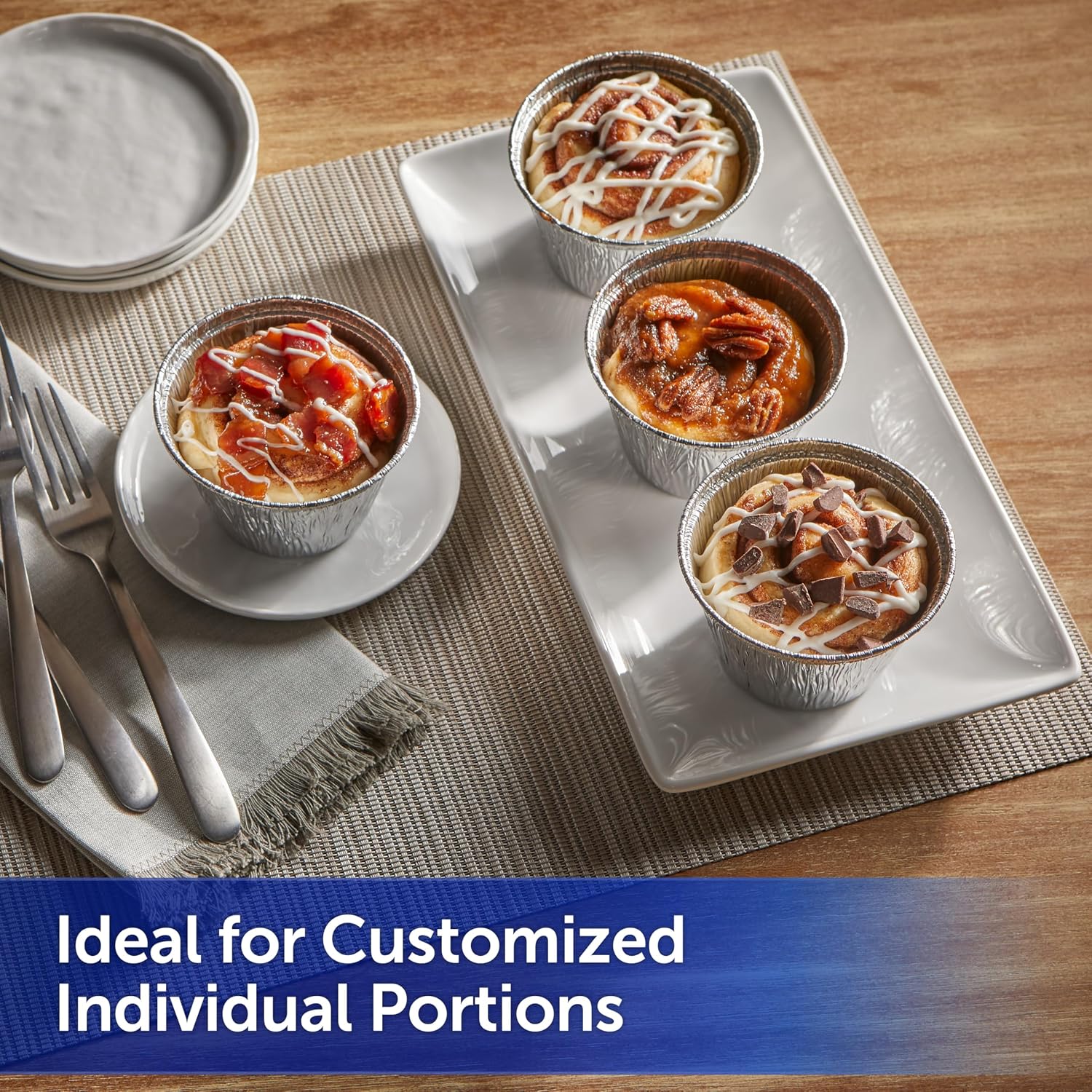
Multi‑use design benefits. The cups support portion control and single‑serve baking. For example, use them to make one‑person mac & cheese portions, individualized egg bites for meal prep, or dip servings for parties. The individual format reduces cross‑contamination risk for dietary restrictions and speeds plating for catering.
Disposable vs reusable tradeoff. Tossing a cup saves cleanup time but costs more per use and increases waste. If you bake once a week for many people, reusable silicone liners will save money and reduce waste long term. If you bake occasionally, the 10‑pack setup delivers clear convenience.
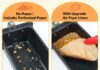
Recyclability and disposal tips. Greasy foil may not be accepted in curbside recycling in some municipalities. A practical cleanup workflow: scrape food into compost/trash, wipe excess grease with a paper towel, then check local recycling rules before tossing the rinsed foil. For busy cooks, line the bottom tray or basket with a disposable liner to reduce drip cleanup.
How much should the cups be filled?
Fill rule of thumb. Fill to about two‑thirds (≈66%) of the cup height for most batters and fillings to prevent overflow. That guideline leaves headroom for rising batters and bubbling fillings while still delivering even heat circulation.
Recipe‑specific advice. For muffins or typical cake batters, fill to two‑thirds. For moist, heavy fillings like mac & cheese or wet custard, fill to roughly half (50%) to avoid bubbling over. For custard‑style egg bites, fill to about 75% when the mixture sets firmly and you reduce rise by gently lowering initial temperature.
Adjusting cook time. When you fill higher than the guideline, expect longer cook times and the potential need to reduce temperature slightly to avoid burning the top before the center sets. A practical adjustment: lower temperature by 10°F and add 2–4 extra minutes for higher fills, then test for doneness.
Safety note. Overfilled cups will drip and can cause smoke or mess in air fryers and ovens. Always place cups on a tray or liner to catch drips and keep the heating element clean. For air fryer baskets, use a perforated tray or basket liner with gaps for airflow underneath.
Example. For a standard muffin batter portion using these cups, spoon batter to about two‑thirds of the cup height; this typically yields a dome without overflow when following the cook times for standard muffin recipes.
What appliances can I use the cups in?
Compatible appliances. The product description lists the cups as safe for air fryers, ovens and grills. That means they are oven safe for conventional baking, grill safe for indirect grilling or tabletop grills, and suitable for the circulating hot air environment inside an air fryer.
Heat source differences. An oven uses radiant heat from walls and convective currents; an air fryer focuses hotter circulating air in a compact space; a grill delivers radiant heat from below and sometimes above. Each source changes browning and cook time.
Appliance‑specific tips.
- Air fryer: place cups on the basket in a single layer with gaps for airflow; avoid stacking.
- Oven: set cups on a rimmed sheet or baking tray to catch drips and make handling easier.
- Grill: use indirect heat and a tray; don’t set cups directly over an open flame or very hot coals.
When not to use them. Do not expose the cups to direct flame or place them immediately under a broiler’s heating element — foil can degrade or burn if it makes direct contact with very high heat sources.
Checking integrity. After exposure to very high temperatures, inspect cups for warping or thinning. If a cup has pinholes or extreme deformation, discard it rather than trying to reuse it for food safety reasons.
How many cups will fit into my air fryer?
Estimate capacity step‑by‑step. Measure your basket diameter across the widest point. Subtract about inch from that diameter to preserve airflow at the edges, then measure the cup base footprint. Fit cups in a single layer with space between them so hot air can circulate.
Layout patterns. For small baskets, use a single row down the center. For medium baskets, a staggered pattern (offset rows) increases count while keeping gaps. For large or oven‑style air fryers, arrange cups in a loose grid with at least ¼–½ inch between cups.
Real‑world variation. Capacity depends on basket shape and the presence of a rack or tray. Compact 3–5 quart baskets will hold fewer cups than wide, shallow oven‑style fryers. If you need more portions than fit, plan for batches.
Test first. Place empty cups in your basket before adding batter or fillings. That quick test confirms fit and ensures you’re not blocking airflow or crowding the basket, which would cause uneven cooking.
Batch strategy. If you must run multiple batches, keep finished cups warm on a low oven rack (about 150–175°F) covered lightly with foil while you cook the next set. This preserves texture without overcooking.
Air Fryer Cups cooking tips & troubleshooting
Step‑by‑step use instructions.
- Prep: if a recipe is sticky, lightly grease the cup or use a cooking spray; otherwise many batters release fine without oil.
- Placement: set cups in a single layer with space around them in the basket or on a sheet.
- Mid‑cook: check halfway for even browning and rotate the tray or cups if needed.
- Doneness: use a toothpick or instant‑read thermometer for custard‑style items.
Troubleshooting common issues.
- Soggy bottoms: raise temperature slightly for the last few minutes or move cups closer to the element in an oven to crisp the base; ensure the basket isn’t overloaded.
- Uneven browning: rotate the tray and avoid stacking; check airflow.
- Sticking: grease the cup or line with parchment rounds for baked goods.
- Batter overflow: reduce fill to the recommended two‑thirds and use a lower initial temperature for high‑rise batters.
Oil and spray guidance. Lightly oiling the cups helps custards and cheesy fillings release cleanly. Avoid excessive oil that can smoke at higher temperatures in compact air fryers.
Stacking and reshaping. Foil cups will deform if stacked while hot. Once warped they won’t regain original shape and are best used as single‑serve disposable items rather than reformed for reuse.
Cleaning and short‑term storage for reuse. If you plan to reuse a cup in the short term, cool it, transfer contents to a clean container, and discard the cup if it shows grease buildup or warping. Food safety recommends single use for porous or greasy foil products.
Recipe ideas that work particularly well in air fryer cups
These cups make it easy to convert small recipes into single portions. They speed plating and serving while cutting cleanup time. Below we list focused ideas and explain why the cup format helps each.
Why the cup format helps. Individual portions reduce cross‑contamination, heat more evenly per serving, and shorten total cook time because you’re heating smaller volumes.
Scaling tip. When converting a standard pan recipe to a single fl oz cup, divide total batter into the number of cups and reduce bake time by about 10–20% as a starting point; test one cup first to dial in time.
Toppings and finishing. Add crunchy toppings the last 2–3 minutes of cooking to keep texture. For cheesy dishes, sprinkle cheese near the end to melt without overbrowning.
Test one first. Always cook a single cup as a trial run to adjust fill level and time before committing to a full batch.
Air Fryer Muffins
Start here: light cake or standard muffin batters work best in an fl oz cup because they rise predictably and set without soggy centers. Use batter that’s not overly thin so it holds shape during transfer.
Cook time range. Use the recipe’s oven time as a baseline and reduce by 10–20% for the air fryer, then check doneness with a toothpick. Expect a starting range rather than a fixed time because air fryer models vary.
Texture and doneness. Muffins in an air fryer should have a golden top and a fully set center; a toothpick inserted in the middle should come out clean or with a few moist crumbs.
Mix‑in tips. Fold in berries or chips gently; too many wet mix‑ins can increase overflow risk and slow cooking. If using large add‑ins, reduce batter fill by 5–10%.
Serving and storage. Cool muffins briefly before removing. Leftovers store well in an airtight container and reheat in a warm oven or air fryer for a few minutes to refresh texture. A simple variation: use the same batter for small savory muffins or mini‑loaves in a loaf pan.
White queso dip (air fryer cup version)
Why single‑serve dips work. Foil cups are handy for serving individual hot dips at parties: they keep portions warm and eliminate cross‑contamination during buffet service.
Ingredients & bake start point. Combine a melting cheese base with a splash of cream and seasonings. Bake in a cup at a moderate temperature until the cheese is melted and bubbly; stir before serving.
Serving safety. Foil gets hot—use tongs or a small oven mitt when handing a cup to a guest and place cups on a serving tray to protect table surfaces.
Prevent bubbling over. Keep liquid ingredients conservative and test one cup so you can reduce filling if bubbling occurs. To reheat without drying, cover and warm slowly at a lower temperature.
Leftovers. Transfer leftover dip to a covered container and refrigerate; reheat gently on low heat or in short bursts in the air fryer while stirring to restore creaminess.
Air fryer baked brie cups & other savory bites
Why it works. Soft cheeses like brie melt beautifully in a foil cup and portion elegantly for appetizers. The cup contains runny cheese and toppings while providing an attractive single‑serve presentation.
Assembly and crisping. Place a brie wedge in the cup, top with preserves or nuts, and bake until melted and bubbling. To get a golden top without burning the foil, finish with a quick high‑heat blast for 1–2 minutes while watching closely.
Serving idea. Serve the cup on a small plate with crostini or crackers; place the cup on a tray to catch any drips and to make removal from heat easier.
Variations. Add prosciutto, fruit compote or toasted nuts. Denser toppings may add a minute or two of cook time to reach the desired melt.
What customers are saying & who these air fryer cups are best for
Customer feedback themes. Many buyers praise the ease of cleanup and portion control these cups provide. Verified buyers report they’re useful for parties and meal prep, and reviewers often highlight the convenience for picky eaters and those managing dietary restrictions.
Common complaints. Several reviews mention expectations around reuse: foil cups warp and resist multiple uses if exposed to very high heat. Others flag environmental concerns about disposability and note extra care is needed to prevent grease drips in the appliance.
Who loves them. Busy parents, small‑scale caterers, and air fryer beginners who value convenience tend to be the happiest customers. For those who cook in large batches weekly, reusable silicone or metal options are often recommended instead.
Practical tips from buyers. Reviewers suggest testing one cup in your appliance first, lining the basket or using a tray underneath the cups to catch drips, and handling hot foil carefully with tongs. These small adjustments reduce mess and extend the usefulness of each cup.
Buying recommendation. If you match the convenience use case—occasional single‑serve cooking or party service—the pack is a low‑risk purchase to trial.
Value assessment: is $3.99 worth it? (also alternatives and final practical tips)
Value framework. At the listed price of $3.99 for a 10‑pack, the per‑use cost is modest for occasional entertaining or meal prep. If you plan single‑use servings frequently, factor in long‑term cost versus reusable silicone liners or metal pans.
When it’s a good buy. These cups offer standout value for catering, one‑off events, travel‑friendly serving, or when you need portioned breakfasts for a small household. They remove the need to wash pans and make plating faster for guests.
When to choose alternatives. Choose Wilton Foil Baking Cups if you prefer a similar disposable foil option from another brand. Choose Silicone Reusable Muffin Cups (set) if you prioritize sustainability, repeated use and lower per‑use cost over time. The tradeoff is cleanup and slightly different heat handling characteristics.
Final practical tips — day one checklist.
- Test‑fit empty cups in your air fryer basket to confirm layout and airflow.
- Cook a single trial cup to confirm fill level and time.
- Adjust fill according to the two‑thirds rule and use a tray under cups to catch drips.
- Decide your reuse or disposal practice based on whether the cup warped or shows grease—discard warped foil.
Buying cadence. Buy one 10‑pack to trial for party prep. If you use them weekly and they fit your workflow, consider stocking more; if you prefer reusables, invest in a set of silicone cups instead.
Pros and Cons
Pros
- Convenient single‑serve portions that speed prep and cleanup
- Safe for multiple heat sources: air fryers, ovens, and grills (not open flame)
- Versatile uses — muffins, egg bites, mac & cheese, dips and more
- Sturdy enough for filling and moving when handled carefully
Cons
- Single‑use aluminum creates waste compared with reusable silicone alternatives
- Not intended for direct flame or broiler proximity — limited for some high‑heat grilling techniques
- Thin foil can warp under very high heat, making reuse impractical for many buyers
- A 10‑pack may be small for heavy weekly batch cooks
Final Verdict
Key Takeaways
- These are a convenient 10‑pack of disposable aluminum cups for single‑serve baking and reheating.
- Use the two‑thirds fill rule, test one cup first, and always place cups on a tray to catch drips.
- Best for occasional entertaining and meal prep; heavy weekly bakers should consider reusable silicone.
- They’re oven safe and grill safe for indirect heat, but avoid direct flame and broiler proximity.
- At $3.99 per 10‑pack, buy one pack to trial before committing to larger quantities.
Frequently Asked Questions
What are Reynolds Kitchens air fryer cups?
They’re disposable aluminum foil cups sold in a 10-pack, sized to hold fl oz each and intended for single‑serve cooking and reheating. The pack is marketed for use with air fryers, ovens, and grills to make muffins, egg bites, mac & cheese, dips and similar small portions.
Why is everyone getting rid of air fryers?
That question is about air fryer ownership and trends rather than this product. People move away from air fryers for reasons like counter space, preferring traditional ovens, or not seeing a big time savings for their cooking habits. It doesn’t reflect anything specific about these foil cups, which are simply tools you can use if you keep an air fryer.
Did Reynolds discontinue foil baking cups?
Reynolds has not stated discontinuation in the provided product details. The product description shows this 10‑pack as available and in stock, so any rumor about discontinuation should be checked against current retailer listings.
Where can I find silicone muffin cups for my air fryer?
Silicone muffin cups are widely available from multiple kitchenware brands and from general retailers. Search for “silicone muffin cups” or “silicone reusable muffin liners” at major retailers to compare sizes and sets that fit your air fryer basket.
Disclosure: As an Amazon Associate, I earn from qualifying purchases.