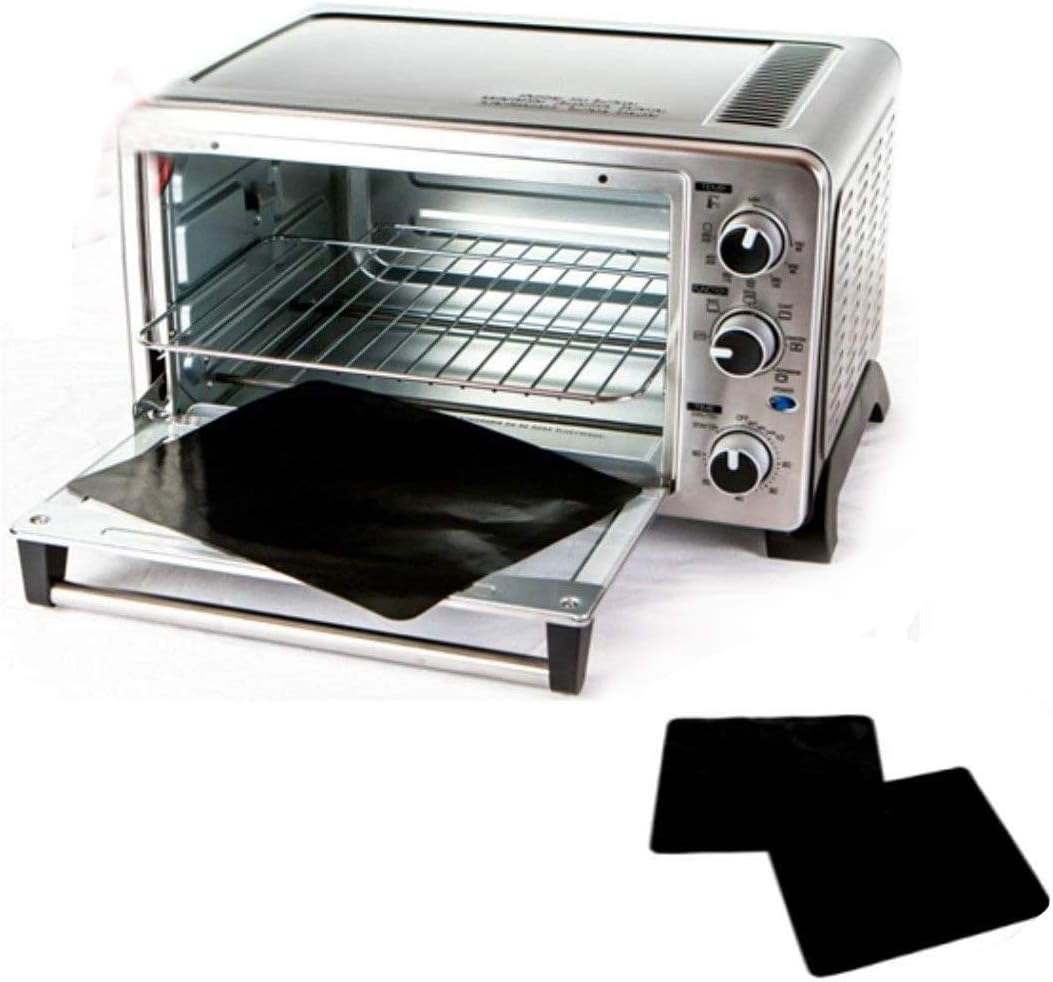
Tired of scraping stuck-on crumbs and dealing with charred drips at the bottom of your toaster oven?

My first impressions
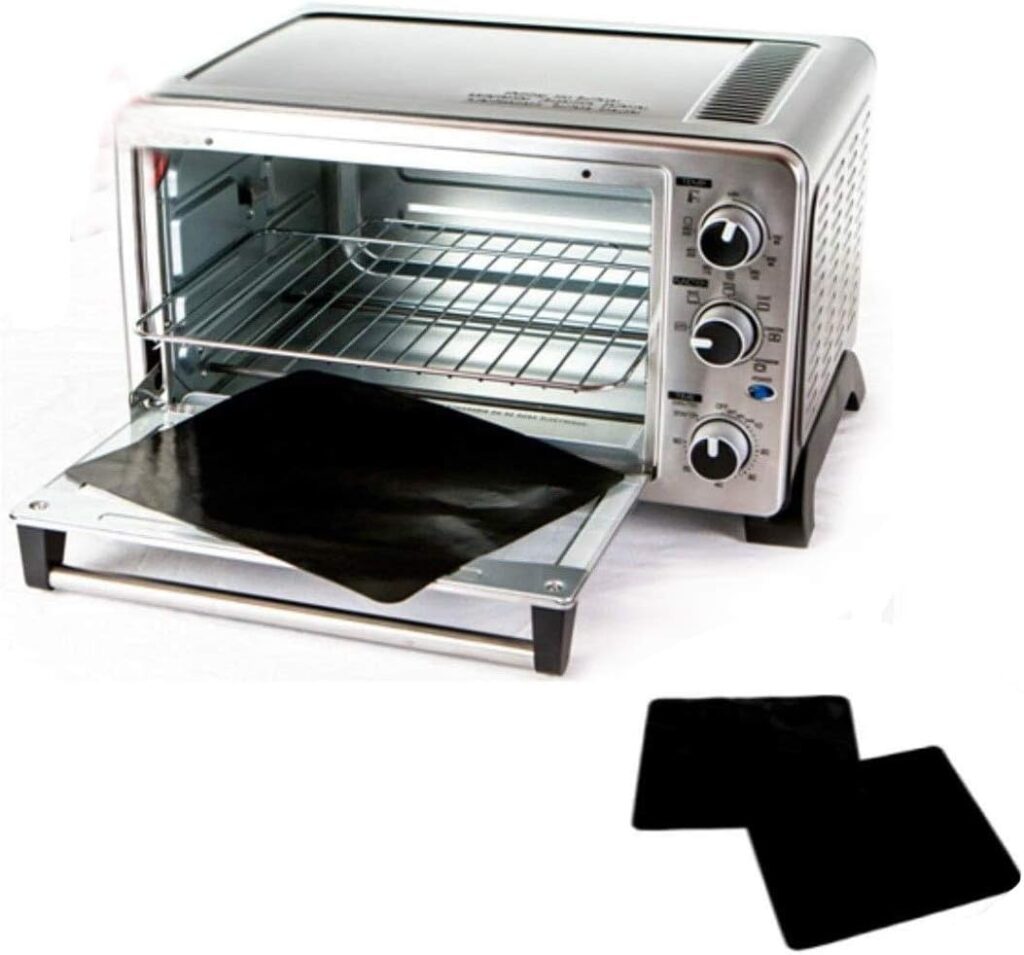
I was immediately drawn to the name: “TWO-PACK 100% Non-Stick 11″ Toaster Oven Liner. Finally, Prevent Spillovers, Gunk & Odors! Great Teflon Liner for Toaster Ovens, Dishwasher Safe, Best Toaster Oven Accessories”. I like that it’s specific about size and claims — that clarity gave me confidence to order and try it in my own kitchen right away. From unboxing to the first use, the liners felt lightweight yet substantial, and they smelled neutral (no chemical sting) out of the package.

Product overview: “TWO-PACK 100% Non-Stick 11″ Toaster Oven Liner…”
I want to summarize what this liner is meant to do and who it’s for. It’s a simple product with a focused job: catch drips, crumbs, and debris before they become baked-on messes that are hard to remove. I appreciate products that solve one problem well without pretending to be a multi-tool.
What it is
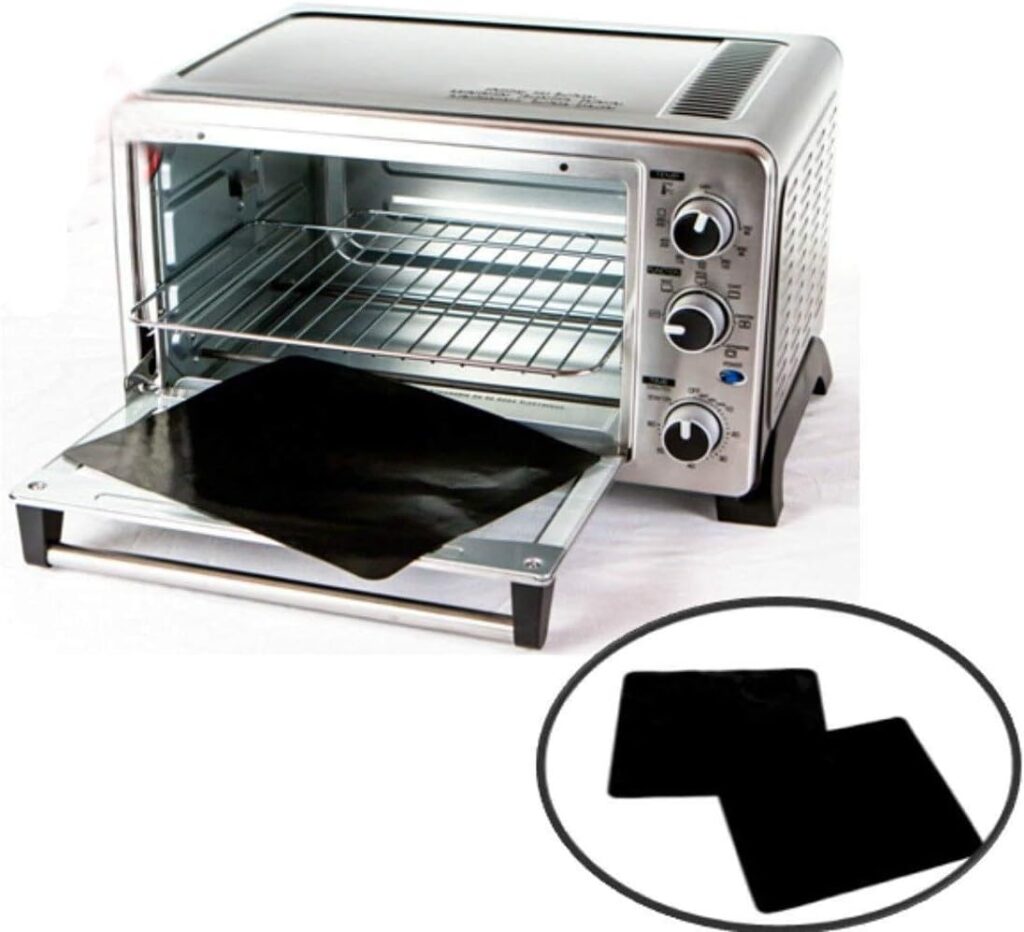
This is a pair of 11″ x 9″ PTFE (Teflon) non-stick toaster oven liners designed to sit on the bottom of a toaster oven or baking sheet. They act as a shield against spatter, drips, and fall-through crumbs, so you don’t have to scrub or scrape the oven floor after every use. Because they’re PTFE, they’re designed to be non-stick, heat-tolerant up to 500°F, and dishwasher safe.
Key specifications
I like quick-reference specs, so I made a compact table that highlights the most relevant details. It helped me decide whether these liners would fit my toaster oven and cooking habits.
| Feature | Detail |
|---|---|
| Product name | TWO-PACK 100% Non-Stick 11″ Toaster Oven Liner (Teflon, PTFE) |
| Size (each) | 11″ x 9″ (can be trimmed to fit) |
| Material | PTFE (Teflon) non-stick sheet |
| Max temperature | Up to 500°F |
| Ovens compatible | Convection, Electric, Gas, Microwave |
| Cleaning | Dishwasher safe; also easy to hand-wash |
| Pack count | Two liners per purchase |
| Use cases | Toaster oven bottom liner, baking sheet liner, general oven mat |

Performance in everyday use
I tested these liners across a few weeks with a variety of foods and they performed consistently. They catch spills and crumbs without moving around excessively, and the non-stick surface means I rarely needed more than a quick rinse or a run through the dishwasher. For casual bakers and busy households that use toaster ovens several times a week, this liner noticeably reduced the cleaning time.
Catching drips and crumbs
The main selling point is that they catch spillovers before those drips carbonize on the oven floor. In my experience, they did exactly that. Melted cheese, oil splashes from small pans, and crumbs from toasting bagels all landed on the liner instead of gluing themselves to the oven’s bottom. I appreciate not having to scrape or use oven cleaner afterward. After removing the liner, most debris came off easily with a damp cloth or a quick cycle in the dishwasher.
Heat tolerance and safety
The liner tolerates temperatures up to 500°F, which covers most toaster oven uses like baking, toasting, and reheating. I was careful to avoid direct exposure to a broiler or open flame since PTFE is not intended for contact with flames. For typical uses — toast, casseroles, sheet-pan dinners, and warming — the liner stayed intact and stable. I also noticed no warping or bubbling when I placed hot trays above it.
Non-stick performance and cleanup
The PTFE surface lived up to the non-stick promise. Sticky drips peeled right off, and oily residues wiped away easily. I ran one liner through my dishwasher multiple times and it came out clean with minimal staining. If something carbonized on the liner, soaking in warm soapy water before a gentle scrub did the trick. The combination of non-stick PTFE and dishwasher safe materials reduces both elbow grease and time spent cleaning.
Installation and sizing
Putting the liner in place is straightforward, but I have a few tips based on my experience. It’s designed to be trimmed, which is handy for smaller toaster ovens. I used ordinary household scissors and found cutting easy and precise.
Cutting to fit
I measured my oven floor first and marked the liner with a washable marker before cutting. The material cuts cleanly without fraying, and edges remain flexible afterward. I recommend leaving a small gap around the edges of your oven to allow heat to circulate and avoid contact with heating elements. Trimming took only a few minutes and allowed the liner to sit flat with no curling at the corners.
Placement and stability
Once cut to size, the liner sits flat on the oven floor and doesn’t slide during normal use. I moved pans and trays in and out, and the liner stayed in place. It’s thin enough not to lift pans or trays off-level, but thick enough to feel durable. If you use a raised rack configuration, place the liner beneath the lowest rack to catch anything that falls but avoid placing it directly under a broiler element.
Material and build quality
The PTFE construction is the defining feature and I paid attention to how the material held up over repeated heating and cleaning cycles. The quality felt consistent with professional-grade PTFE sheets I’ve used before, but cut to a practical size for toaster ovens.
PTFE (Teflon) details
PTFE gives the liner its non-stick character and heat resistance. My liners didn’t smell or off-gas during normal heating up to the specified limit. I followed the manufacturer’s recommended maximum temperature and avoided using the liners under direct broiler settings. PTFE is widely used in cookware and baking mats for its release properties, and I had no issues catching or removing food residues.
Durability and wear
Over several weeks of daily use, the liners showed minimal wear. Small scratches appeared if I used metal utensils directly on them, so I avoided scraping motions and instead let the mess soften with heat or water before wiping. If you’re rough with forks or knives on the liner, expect faster wear. But with typical handling, the liners are sturdy enough to use repeatedly.
Oven compatibility and limitations
It’s useful to know where this liner can and cannot be used. I tested it in a countertop convection toaster oven and it fit well after trimming. The manufacturer claims compatibility with convection, electric, gas, and microwave ovens. I exercised caution around gas flames and broilers.
Works in these ovens
For convection, electric, and microwave toaster ovens, the liner performed well. It’s especially well-suited for smaller ovens where drips tend to become baked-on quickly. Microwave compatibility is useful if you want to protect microwave turntables or trays from spills. For gas ovens, avoid exposing the liner to direct flames.
Situations to avoid
I do not recommend placing the liner under a broiler or an open flame. PTFE can degrade at extremely high temperatures beyond its rated tolerance. Also avoid enclosing food that requires a very high direct heat source where the liner could contact heating elements. If you’re using a very small toaster oven with heating elements close to the oven floor, measure clearances carefully before inserting the liner.
Cleaning and maintenance
I approach kitchen cleanup with practicality, so I test both hand-washing and dishwasher cycling. Both methods worked for me, though there are a few subtleties depending on what type of spill you’re cleaning.
Dishwasher use
The liners are dishwasher safe, which I found to be the easiest method for regular cleaning. I placed one in the top rack of the dishwasher and ran a normal cycle; light crumbs and oil rinsed away completely. For heavier, baked-on residues, a pre-soak or a short rinse before the dishwasher improved results. Frequent dishwasher cycles didn’t noticeably degrade the PTFE surface in my testing.
Hand washing and stain removal
For quick jobs I hand-washed the liner with warm soapy water and a soft sponge. Most residues lifted easily. For stubborn dark spots I soaked the liner in hot, soapy water for 20–30 minutes and used a non-abrasive scrubber. Avoid steel wool or harsh scouring pads, as those can scratch the PTFE coating. If you get stains from things like burnt sugar, be patient with soaking and gentle scrubbing.
Cooking tests and results
I ran several practical cooking tests to see how the liner affects food behavior and cleanup. I tested toasting, baking, and pan cooking. The liners performed consistently across these scenarios.
Toasting and baking
When toasting bagels and bread, crumbs were contained and easily removed when I lifted the liner out. Baking cookies on a tray above the liner produced no transfer of flavor or odors. The liner predicted no effect on browning or crisping of food when used on the oven floor beneath trays. I liked that I could remove the liner and quickly wipe away stray crumbs without interrupting my workflow.
Broiling and high heat scenarios
I avoided placing the liner directly under a broiler element. For oven uses that approach 500°F for short bursts, I was careful and did not use the liner where it might contact heating elements. When used appropriately (beneath a rack and away from direct elements), I saw no issues with heat and no melting or damage. That said, if you frequently use the broiler, this liner is not intended to be placed directly below it.
Pros and cons
I laid out the strengths and weaknesses based on my hands-on use. The pros include ease of cleaning, versatility, and being able to cut to size. The cons mainly concern contact with broilers and potential wear if used with metal tools.
Pros:
- Catches drips and crumbs effectively
- Non-stick PTFE makes cleanup fast
- Dishwasher safe for convenience
- Can be trimmed to fit different oven sizes
- Heat tolerant up to 500°F for most use cases
Cons:
- Not intended for direct flame or broiler contact
- Can scratch if used with metal utensils
- May require occasional soaking for very stubborn burnt-on residue
Comparing to alternatives
I compared this PTFE liner to silicone mats, disposable aluminum liners, and OEM-specific liners to understand trade-offs. Each alternative has use cases where it shines, but the PTFE liners have a balance of non-stick performance and low maintenance.
Silicone mats
Silicone baking mats are thicker, flexible, and heat-resistant, but they can be bulkier and sometimes trap crumbs under their edges. I find PTFE sheets lighter and easier to trim. Silicone excels for baking directly on the mat, while PTFE liners work well as protective shields for oven floors.
Aluminum foil and disposable liners
Foil is cheap and disposable, but it’s not non-stick and tends to crinkle, which can trap crumbs and cause uneven heating. Disposable liners may seem convenient but create more waste. The PTFE liners are reusable and cleaner to handle in the long term, so they’re a greener option if you use a toaster oven a lot.
OEM or brand-specific liners
Some toaster ovens include their own liners or trays that are shaped and sized perfectly. Those are often higher in price or proprietary. The advantage of this TWO-PACK is the ability to trim to shape and use across multiple appliances without paying OEM prices.
Tips and best practices
I’ve learned a few practical tips that made my experience better, from trimming to cleaning to avoiding heat issues. These small habits keep the liners functional and extend their lifespan.
Trimming and shaping
Measure your oven interior and leave a small gap (about 1/4″ to 1/2″) from the walls and heating elements before trimming. Use a washable marker to mark cuts and household scissors to trim. Cutting on a clean, flat surface gives the best results and keeps edges even.
Avoiding damage
Never use sharp metal tools directly on the liner. Use silicone or wooden utensils if you need to scrape anything off a tray that sits on top of the liner. For stuck-on spots, apply heat and water first — warm water softens residues and makes them easier to remove without scratching.
Storage and care
When not in use, I roll the liners loosely or lay them flat to avoid creases. Keep them away from sharp objects like knives or tin snips. If the liners pick up strong odors from foods like garlic or fish, washing with baking soda and warm water helps neutralize smells.
Safety considerations
I take safety seriously with any product that sees heat. PTFE has a strong safety record when used within recommended temperatures, but it’s important to follow precautions to avoid overheating.
PTFE safety and high heat
PTFE is safe when used under 500°F, which is within the liner’s spec. I never expose the liner to an open flame or let it contact a glowing heating element. If used properly, the risk of fumes or degradation is minimal. Always follow the manufacturer’s instructions regarding maximum temperature.
Food safety
I observed no transfer of flavors or odors from the liner to food during any normal use. The liners are designed for food contact and cleaning them between uses prevents cross-contamination. For deep-seated stains or discoloration, replace the liner if it appears degraded.
Long-term value and cost-effectiveness
If you use a toaster oven often, this two-pack can save me time and money over months and years by reducing the need for harsh cleaners and scrubbing. Instead of using disposable liners frequently, I’ve found that reusable PTFE liners pay for themselves in reduced cleanup effort and longer intervals between deep cleans.
I estimate that heavy users (daily toaster oven cooks) will appreciate the time saved each week. Because the liners are reusable, the effective cost per use decreases quickly.
Who should buy this
I recommend this product for anyone who uses a toaster oven frequently and dislikes cleaning the oven floor. It’s particularly helpful for small kitchens, apartment living, or settings where wiping and cleaning under heating elements is inconvenient. If you use broiling often or apply direct flame cooking, then consider a different solution or use the liner only for non-broil functions.
I would not recommend this as a replacement for high-heat applications like open flame grilling or for placement directly under a broiler element. For anyone cooking casseroles, reheating, toasting, or baking at moderate temperatures, this liner is a practical addition.
Final verdict
Overall, I found the “TWO-PACK 100% Non-Stick 11″ Toaster Oven Liner. Finally, Prevent Spillovers, Gunk & Odors! Great Teflon Liner for Toaster Ovens, Dishwasher Safe, Best Toaster Oven Accessories” to be a highly useful and affordable solution for keeping my toaster oven clean and odor-free. It’s simple, effective, and saves time. The ability to trim to size and toss one in the dishwasher are major conveniences that suit everyday cooking.
While it has limitations around broiling and direct flames, those are reasonable trade-offs for a reusable, non-stick liner that reduces messy cleanup. If you want to stop spending time scraping baked-on drips or avoid the waste of disposable liners, this product is a solid choice.
Frequently asked questions
I collected and answered the most common questions people tend to have about these liners based on my own use and research.
Q: Can I use this liner in a conventional oven or only toaster ovens? A: The liner is designed for toaster ovens but can also be used in conventional ovens as a pan or oven mat if it fits and remains away from direct heating elements. Keep the recommended clearance and temperature limits in mind.
Q: Will the liner affect cooking or browning? A: When placed on the oven floor beneath a rack or pan, I observed no significant change in browning or cooking on trays above. It’s not intended to replace a baking sheet but to protect the oven floor.
Q: How do I trim the liner safely? A: Measure your oven, mark with a washable pen, and cut with sharp household scissors. Leave a small margin from the walls and elements to allow airflow and safe operation.
Q: Is it safe to use under the broiler? A: No. Avoid placing the liner under a broiler or in direct contact with heating elements or open flames. The liner is rated up to 500°F; broilers often exceed safe conditions for PTFE.
Q: What do I do if the liner is stained or discolored? A: Soak the liner in warm soapy water, then gently scrub with a non-abrasive sponge. For persistent discoloration, a paste of baking soda and water helps lift stains. Replace the liner if it looks degraded.
Q: Can I cut the liner into custom shapes for oven trays? A: Yes. The material cuts cleanly and can be shaped for trays, pans, or other protected surfaces.
Q: How long will one liner last? A: Longevity depends on usage and care. With normal handling (no metal scraping or exposing to broiler heat), you can expect many months to a few years of service. Purchasing the two-pack gives you a backup while one is in the dishwasher.
Q: Does the liner give off fumes when heated? A: When used within the recommended temperature range and away from flames, I didn’t notice any fumes. Overheating or direct flame contact can degrade PTFE and produce fumes, so follow temperature guidance.
Q: Is PTFE safe for food contact? A: PTFE is commonly used in cookware and is generally accepted for food contact when used according to manufacturer instructions. I recommend avoiding overheating or contact with flames and cleaning the liner regularly.
If you want, I can help you figure out whether these liners will fit your specific toaster oven model. Tell me your oven’s interior dimensions and whether you broil frequently, and I’ll suggest the best way to trim and position the liner.

Disclosure: As an Amazon Associate, I earn from qualifying purchases.