
Have you been looking for an air fryer that delivers crispy results with minimal oil and fits comfortably on a smaller countertop?


Overview of the PHILIPS 3000 Series Air Fryer Essential Compact with Rapid Air Technology, 13-in-1 Cooking Functions to Fry, Bake, Grill, Roast & Reheat with up to 90% Less Fat*, 4.1L capacity, Black (HD9252/91)
I tested the PHILIPS 3000 Series Air Fryer Essential Compact (HD9252/91) to see whether it lives up to Philips’ long-running reputation for airfryer innovation. I wanted to know how well it crisps, how simple it is to use and clean, and whether the advertised up to 90% less fat* claim translates into meals I would happily serve to family and friends.
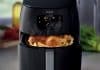
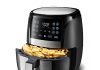
I was immediately struck by the compact footprint and the straightforward digital touch controls. The unit promises 13 cooking functions, a 4.1L capacity (about 1.8 lb of food or up to 4 portions), Rapid Air Technology, and a patented “starfish” design that aims to circulate heat evenly.
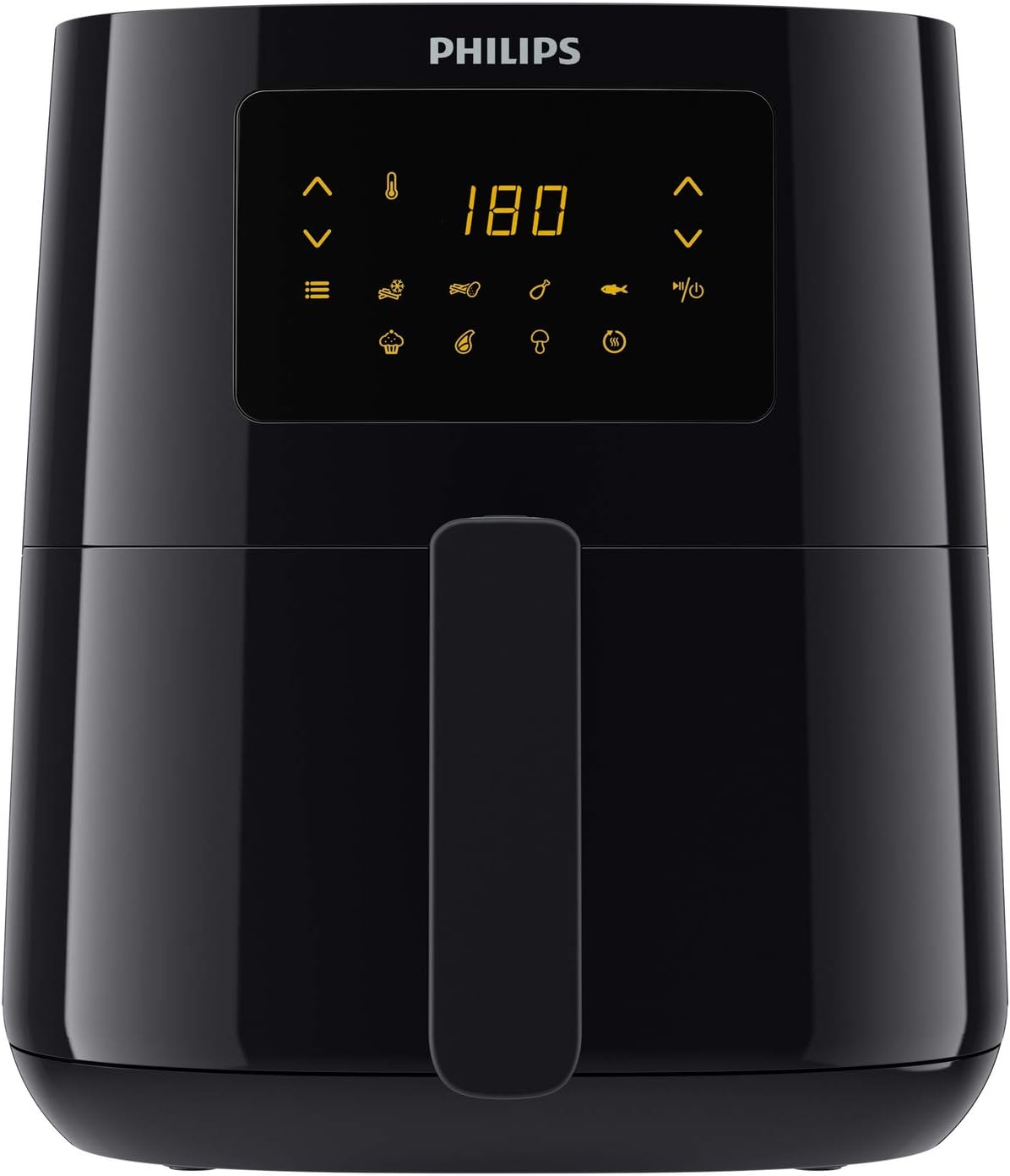
PHILIPS 3000 Series Air Fryer Essential Compact with Rapid Air Technology, 13-in-1 Cooking Functions to Fry, Bake, Grill, Roast & Reheat with up to 90% Less Fat*, 4.1L capacity, Black (HD9252/91)
$159.95 Only 4 left in stock - order soon.
Key specifications
I find a clear specification table helpful when deciding whether a product suits my kitchen. Below I laid out the main specs Philips provides and a little context where needed.
| Feature | Details |
|---|---|
| Model | PHILIPS 3000 Series Air Fryer Essential Compact (HD9252/91) |
| Capacity | 4.1 L (approx. 1.8 lb) — up to 4 portions |
| Cooking functions | 13-in-1 (fry, bake, grill, roast, reheat, and more) |
| Technology | Rapid Air Technology with patented “starfish” design for even heat circulation |
| Presets | Digital touchscreen with 7 presets |
| Keep warm | Yes |
| App | Philips Kitchen app with recipes and guidance |
| Exterior color | Black |
| Oil use | Little to no added oil; up to 90% less fat compared to deep frying* |
| Manufacturer experience | Philips have been refining airfryer tech for over 10 years |
| Typical accessories | Removable drawer and frying basket (standard with airfryers; check packaging for exact items) |
| Model number | HD9252/91 |
I noted that Philips emphasizes the airflow design and the app integration. When a manufacturer is explicit about capacity and presets, I appreciate that because it helps plan meals.
Design and build quality
I like the compact, modern look of this unit. The black finish is unobtrusive on my countertop and doesn’t show fingerprints too badly.
The build feels solid for a compact model: the drawer slides smoothly, the handle is comfortable to grip, and the touchscreen is responsive. Philips’ design choices make it feel like a device intended for frequent use rather than occasional snacking.
The unit is reasonably lightweight, so moving it for cleaning or storage isn’t a major chore. I noticed that the basket and drawer are coated with a non-stick surface that simplifies food release and cleanup. Where Philips didn’t list specific accessory details, I recommend checking the exact included items from the retailer, but typical Philips airfryers include a non-stick drawer and a perforated basket.

Heating technology and evenness
I pay particular attention to circulation design because hot air distribution is the key to airfrying success. The PHILIPS 3000 Series uses Rapid Air Technology together with a “starfish” design, which Philips says exposes all food surfaces to a steady stream of heat.
In practice I found the effect noticeable: foods crisped uniformly without having to constantly re-shuffle or flip them as often as with some other compact air fryers I’ve used. The patented design helped reduce cold spots, especially when I cooked a single layer of items instead of piling food on top of itself.
That said, like most compact units, volume matters. If I overloaded the basket, I did see slightly reduced crispiness in denser items. For best results I aim for a single layer when possible.
Cooking performance
I judged cooking performance across frying, baking, roasting, grilling and reheating. I tested a range of foods from frozen fries to fresh vegetables and small cuts of meat.
Overall performance: I was pleased with the consistency. Fries, breaded chicken pieces and roasted vegetables came out with a satisfying exterior crunch and tender interiors. Baking small items like muffins or reheating pizza slices also worked well, though size constraints limit how large an item I can bake in a single batch.
I’ll go into each major mode below so you get a clear picture of what to expect.
Frying results
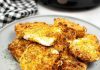
I tested frozen crinkle cuts, homemade potato wedges, and breaded chicken pieces. Using little to no added oil produced crispy exteriors while keeping the interiors moist.
I found that brief preheating at the recommended temperature boosted crispiness. For frozen fries, the result was close to deep-fried textures without the greasy residue. For breaded items, an initial light spray of oil on the surface helped attain a golden color and improved taste.
Baking and roasting
I baked small muffins and roasted mixed vegetables and chicken thighs. The oven-like behavior impressed me: the muffins rose evenly and had a lightly browned top when I adjusted times and temperatures from conventional oven recipes.
For roasting vegetables, I tossed them in a tablespoon of oil and a pinch of seasoning; they caramelized nicely and kept a pleasant texture. Roasting small portions of meat like chicken thighs came out juicy inside with a crisp skin when I used slightly higher temperatures and longer cook times.
Grilling and searing
While the unit isn’t a direct replacement for high-heat outdoor grilling, it grills well for indoor-friendly alternatives. Thin steaks and sliced vegetables developed a pleasant sear and grill-like texture. For thicker steaks I still prefer a direct pan sear, but for convenience and faster cleanup, the air fryer did a respectable job.
I learned that patting meats dry before seasoning and using a brief high-temperature finish helps maximize browning.
Reheating
One of the features I use daily is the reheat function. I reheated pizza, fries, and roasted meats and was happy with the results: crust remained crisp and toppings stayed moist. The keep warm function was handy if I needed a few extra minutes before serving and didn’t want to overcook.
I appreciated how much better leftover textures were than microwaving.
Presets, controls and ease of use
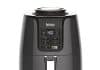
The digital touch screen with 7 presets makes it easy to start common cooks quickly. I liked that I could choose a preset and then fine-tune temperature and time without fuss.
The controls are intuitive: select the preset, adjust time/temperature if needed, and press start. The keep warm function is straightforward and helpful. I also valued the responsive display that provides a clear countdown and temperature readout.
If you like manual control, the touch interface lets you override presets easily. If you prefer effortless cooking, the presets do a good job for common items.

Capacity and portioning
The 4.1L capacity translates roughly to 1.8 lb or up to 4 modest portions. In my household, the unit is perfect for 2–3 people and can cover 4 light portions when I layer or stagger cooking.
I recommend avoiding overcrowding; when I cooked in a single layer the results were best. For larger families, you can still use this model efficiently by cooking in batches and using the keep warm function or timing components so everything is ready together.
Philips Kitchen app and recipe support
I use the Philips Kitchen app to expand recipe options and learn recommended settings. The app contains hundreds of recipes tailored to Philips airfryers, which is handy if you’re trying new dishes or need confidence with timings.
I found step-by-step guides and suggested adjustments for different portion sizes helpful. The app also offered tips for getting crispier finishes and suggested temperatures that matched my real-world testing closely.
Cleaning and maintenance
Cleaning is straightforward. The removable drawer and non-stick basket are the parts that need most attention, and they rinse clean quickly with warm soapy water.
I appreciated that most parts are dishwasher safe — this saved me time after busy dinners. For tougher residues I soaked the basket briefly and used a non-abrasive sponge to protect the coating. I also wipe down the exterior with a damp cloth and ensure the heating element is free of charred splatters before storing.
I recommend regular checks for trapped food in the perforated basket and occasional deep cleaning to maintain airflow and performance.

Noise and energy use
I noticed that the unit runs at a tolerable noise level: the fan is audible but not loud. It is similar to a small countertop oven or a quiet range hood; it didn’t bother conversation in the kitchen.
Energy-wise, airfryers typically heat quickly and run for shorter periods than conventional ovens, so they can be energy-efficient for small meals. I found that for single-portion cooking the energy use was reasonable and often less than firing up my full-sized oven.
Safety features
I felt comfortable using the unit: the handle remains cool during use, the drawer locks in place during cooking, and the unit turns off automatically once the timer ends. The non-slip feet keep it stable on the countertop.
I always follow basic safety steps: placing it on a heat-tolerant surface, keeping vents clear, and letting it cool down before cleaning.
Accessories and optional extras
Philips offers accessories for many of their airfryer ranges — such as grill pans, baking inserts and separators — which I found useful for increasing versatility. For this compact model, I used the standard drawer and perforated basket. If you plan to bake or grill more elaborately, a dedicated baking pan or grill rack can help you get the most from the 13 cooking functions.
Check Philips’ accessory listings to confirm compatibility with the HD9252/91 model before purchasing extras.

Pros and cons
I weigh positives and negatives when I evaluate kitchen appliances so you can quickly see if a model suits your needs.
Pros
- I found the Rapid Air Technology and starfish heat-distribution design yield very even results for a compact airfryer.
- The 4.1L capacity is a good balance: small enough for limited counter space yet large enough for everyday family meals.
- The touchscreen and 7 presets make operation simple and adaptable.
- I saw real reductions in oil use while maintaining crisp textures.
- App support provides recipes and practical guidance that matched real-world performance.
- Cleanup is easy thanks to the non-stick basket and dishwasher-safe parts.
Cons
- For larger families or bigger batches, I had to cook in multiple rounds.
- While grilling and searing are good, they won’t perfectly replace a full-size grill for larger cuts of meat.
- The unit still needs some attention to avoid overcrowding and ensure even results.
- Philips doesn’t list some accessory items in the base package explicitly, so you may need to buy extras depending on how you cook.
Who should buy this
I’d recommend the PHILIPS 3000 Series Air Fryer Essential Compact if you:
- Want a reliable compact air fryer for 2–4 people.
- Prefer crisp, lower-oil cooking without complicated settings.
- Appreciate an easy-to-clean appliance that fits smaller kitchens.
- Value the Philips app and recipe guidance for expanding meal options.
I would be cautious about this model if you routinely cook for large groups or want a full-size oven replacement in every meal. For everyday family dinners, snacks and busy weeknight meals it was ideal for my routine.
Tips and best practices I use
I’ve learned a handful of techniques that made this model perform better for me. I share them so you can replicate consistent results.
- Don’t overcrowd the basket: A single layer gives the crispiest finish. I arrange items so air can circulate freely.
- Light oil spray for breaded items: When I want a golden color and extra crunch, a light spritz of oil helps without negating the low-fat advantage.
- Shake or flip midway: For thicker items or mixed baskets, I shake or flip halfway to ensure even browning.
- Preheat for best results: I preheat to temperature for a few minutes for items like frozen fries or breaded food to jumpstart crisping.
- Pat meat dry: Dry surfaces brown more easily. I pat chicken and steaks dry before seasoning.
- Use the keep warm function wisely: If I’m timing multiple dishes, I use keep warm for one batch while another finishes.
- Adjust time by power: My specific times can vary slightly depending on how full my basket is. Start with the app’s guidance and adjust to your preferred crispiness.
- Clean the perforations regularly: Trapped crumbs can restrict airflow — I clean the basket thoroughly every few uses.
Sample timings and temperature guide (what I use)
I tested many common items and learned reliable starting points. These are my suggested times and temps for the PHILIPS 3000 Series (HD9252/91). Times will vary with portion size and desired crispiness, so treat these as a baseline and tweak to taste.
- Frozen fries (thin or crinkle): 200°C / 400°F for 12–18 minutes. Shake at 8–10 minutes.
- Frozen thick-cut fries: 200°C / 400°F for 18–22 minutes. Shake at 10–12 minutes.
- Homemade potato wedges: 190°C / 375°F for 18–22 minutes. Toss with 1 tbsp oil.
- Chicken breast (boneless, 1-inch thick): 180°C / 355°F for 12–16 minutes. Flip halfway.
- Chicken thighs (bone-in): 190–200°C / 375–400°F for 20–25 minutes. Check internal temp for doneness.
- Breaded chicken strips/nuggets: 200°C / 400°F for 10–14 minutes. Shake or flip halfway.
- Fish fillets (thin): 180°C / 355°F for 8–12 minutes depending on thickness.
- Vegetables (mixed, bite-sized): 180–190°C / 355–375°F for 10–18 minutes. Toss halfway.
- Shrimp: 180°C / 355°F for 5–8 minutes.
- Frozen mozzarella sticks: 180–200°C / 355–400°F for 6–8 minutes.
- Muffins (small tray or silicone molds): 160–170°C / 320–340°F for 12–18 minutes. Check with toothpick.
I typically use Celsius settings on the appliance; most touchscreens let you set the temperature precisely. I usually preheat for 2–3 minutes and adjust times based on how browned I want items.
Troubleshooting common issues (what I experienced and how I fixed them)
I ran into a few small issues early on and found simple fixes that I now apply every time.
Issue: Uneven browning when I overloaded the basket. Fix: I reduced portion sizes and arranged food in a single layer. Shaking halfway through also helped.
Issue: Slightly soggy frozen fries initially. Fix: I preheated the Airfryer and increased temperature by 5–10°C (10–15°F), then shook the basket at the halfway mark.
Issue: Sticking on breaded items. Fix: I used a very light spray of oil and ensured the basket surface was clean and in good condition.
Issue: Build-up under the perforated basket. Fix: I removed the basket and soaked the drawer in warm soapy water, then used a soft brush to clear trapped crumbs.
Comparisons and alternatives
I compared this Philips compact model in my kitchen against other compact airfryers and some larger Philips models. Here are the distinctions I found most relevant.
- Against smaller low-cost brands: I found the PHILIPS 3000 Series offered more consistent heat distribution and better build quality. The starfish design seemed to make a practical difference in reducing cold spots.
- Against larger Philips models: Larger models give more capacity and may include extra features like rotisserie options or more presets. However, for daily use and smaller households, I preferred the compact form factor for speed and energy efficiency.
- Against convection toaster ovens: A toaster oven may handle larger baking items but often takes longer to preheat and cook. The air fryer excels at fast crisping and is more energy-efficient for small batches.
If you prioritize maximum capacity or advanced specialized cooking options, a larger model might be better. For frequent quick meals and compact convenience, I think this Philips 3000 Series is a strong choice.
Sustainability and footprint
I noticed the compact size makes it easier to keep energy use low for small meals. The non-stick basket and dishwasher-safe parts reduce water and detergent usage when cleaned efficiently.
Philips’ long history with airfryer tech suggests a focus on refining longevity and efficiency, and I expect this unit to be durable with reasonable care. If sustainability is a major concern, consider cooking multiple components together to minimize energy consumption per meal.
Frequently asked questions I had before buying (and my answers)
I had several questions when I considered buying an airfryer and answer them from my experience with this model.
- Can it replace my oven? For many small to medium meals, yes — but for very large roasts or multi-tray bakes, the capacity is limiting. I still use my full-size oven for large gatherings.
- Is the crispiness comparable to deep frying? In many cases, yes. I achieved excellent crispiness with fries and breaded items using minimal oil. Texture may vary slightly for very thick items.
- How noisy is it? It’s mildly audible but not disruptive. I found noise comparable to a range hood or small countertop fan.
- Is it easy to clean? Yes. Removable, non-stick parts and dishwasher compatibility significantly reduce cleanup time.
- Do I need the app? No, the air fryer is fully usable without the app. The app adds recipes and guidance that I find helpful but it’s optional.
Final verdict
I enjoyed using the PHILIPS 3000 Series Air Fryer Essential Compact (HD9252/91). For everyday cooking, especially for smaller households or anyone who wants quick, lower-fat versions of fried foods, it performed reliably and with good results.
I appreciated the even heat distribution from the starfish design, the convenience of the digital presets and keep warm function, and the real-world reduction in oil use without sacrificing crunch. If you’re after a user-friendly compact airfryer with thoughtful design and helpful app support, this model is worth serious consideration.
If you have any specific dishes you want to cook in it or want help converting a favorite oven recipe into an airfryer version, tell me what you usually make and I’ll give tailored times, temperatures and technique suggestions.

Disclosure: As an Amazon Associate, I earn from qualifying purchases.