
? Have we ever wished cleaning the air fryer would take less time and leave less mess?
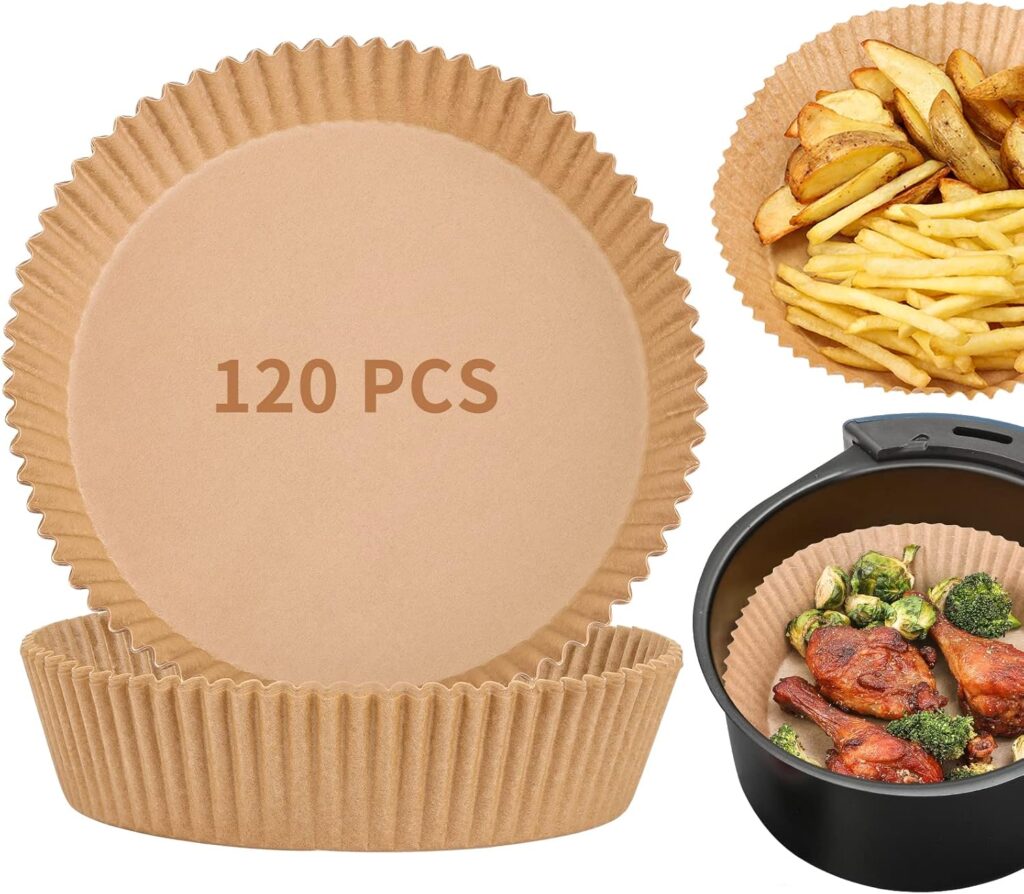

Product Overview: Air Fryer Disposable Paper Liner, 120 Pcs, Non-stick Parchment Frying, Baking, Cooking, Roasting and Microwave – Unbleached, Oil-proof, 6.3-inch
We tested the Air Fryer Disposable Paper Liner (120 pcs, 6.3-inch) to see whether it really makes air fryer cooking cleaner and easier. This section gives a quick snapshot of what the product is, what it promises, and the core features we noticed during regular use.
What the product is and who it suits
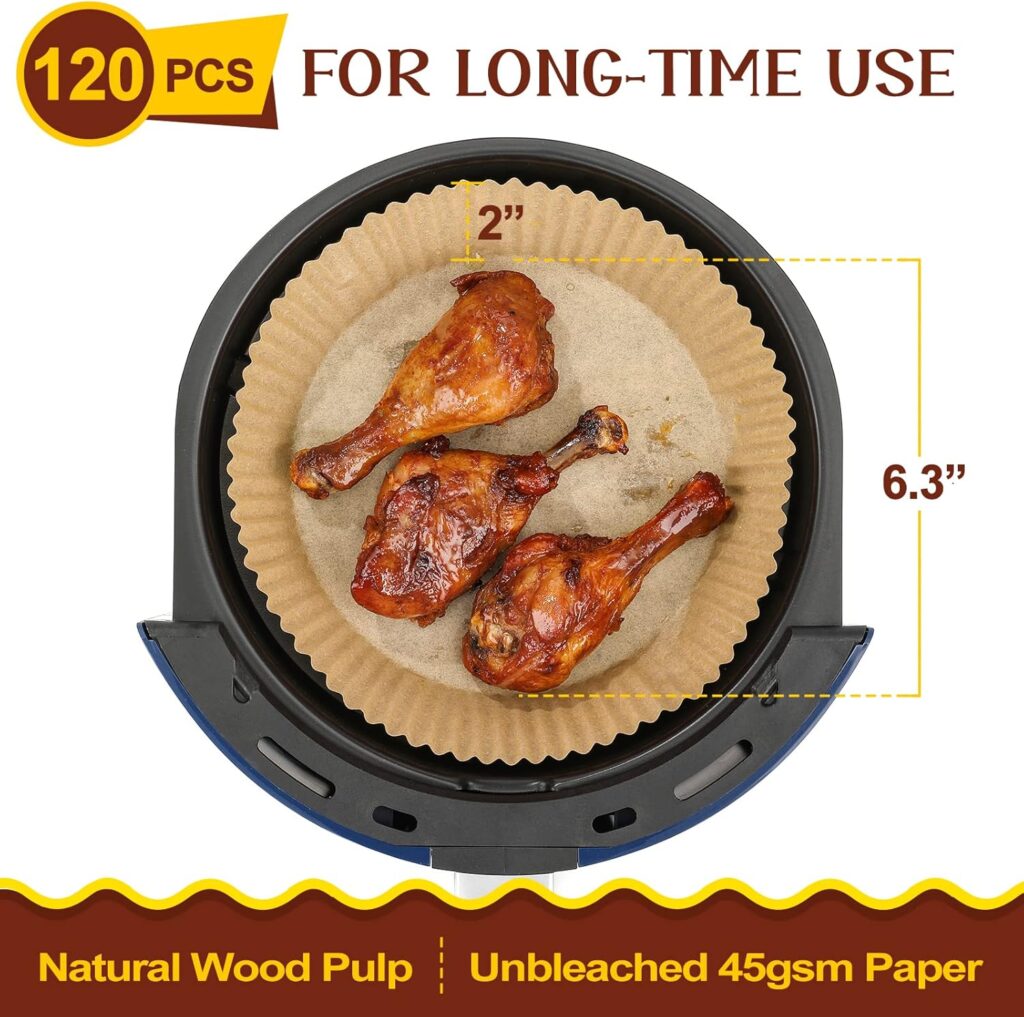
We find that these pre-cut parchment liners are designed for air fryer users who want a no-fuss way to prevent food residue, grease, and sauces from sticking to the basket. The liners are bowl-shaped with a 6.3-inch bottom width and 2-inch edge height, making them a fit for many small to medium baskets. They suit busy cooks, parents, single households, and anyone who dislikes scrubbing baskets.
Key claims and expectations
The manufacturer promises non-stick, oil-proof, unbleached parchment that withstands temperatures up to 428°F, plus a convenient 120-count supply. We expected less mess, easier cleanup, and a durable liner that wouldn’t tear when lifting hot food—so we focused on those areas in our testing.

Air Fryer Disposable Paper Liner, 120 Pcs, Non-stick Parchment Frying, Baking, Cooking, Roasting and Microwave - Unbleached, Oil-proof, 6.3-inch
Specifications and Breakdown
We like lists and clear numbers. The table below summarizes the most important specifications so we can quickly compare expectations with real-world performance.
| Feature | Specification | Note |
|---|---|---|
| Pack quantity | 120 pieces | Good for frequent use |
| Bottom diameter (flat) | 6.3 inches | Measure basket bottom before purchase |
| Edge height | 2 inches | Bowl-shaped design |
| Material | Unbleached natural parchment (food-grade wood pulp) | Fluorescent-free |
| Coating | Food-grade silicone coating | Adds oil- and water-resistance |
| Thickness | 45 gsm | Thicker than many disposable options |
| Max temperature | 428°F (220°C) | Suitable for most air fryer uses |
| Use cases | Air fryer, oven, microwave, frying pan, Instant Pot | Versatile but take precautions |
| Pre-heat warning | Do not use during pre-heat unless weighted down | Liners can fly into heating element |
Packaging and presentation
The liners come in a bulk pack of 120, individually stacked and pre-cut into bowl shapes. We appreciated the tidy packaging and the ease of grabbing a liner during meal prep.

Fit and Compatibility
We tested fit across several basket styles and sizes. Getting the right fit is essential for airflow and safe use, so we give detailed notes here.
Which air fryers these fit best
We found the 6.3-inch bottom works best for compact and many mid-size air fryer baskets where the flat bottom area measures about 6–6.3 inches. Models with larger flat bottoms or non-standard shapes may not be covered by the liner surface, so users should measure before buying.
When they won’t work well
If the air fryer basket bottom is significantly larger than 6.3 inches, the liner may not cover enough area and food could still stick to exposed surfaces. Also, very deep or very shallow baskets might change the fit; the 2-inch edge height is shallow relative to some tall baskets, so it won’t prevent splatter above that height.
Materials and Safety
Understanding materials and temperature ratings matters when we put paper near heating elements. We examined composition, coating, and safety tips.
Unbleached parchment and coatings
The liners are made from unbleached natural wood pulp parchment, which means no fluorescent whitening agents. A food-grade silicone coating provides water- and oil-resistance, increasing non-stick performance compared with plain parchment.
Heat resistance and safe use
The liners withstand up to 428°F (220°C). We confirmed safety in typical air fryer temps (usually under 400°F). We emphasize the pre-heat warning: the paper can lift into the heating element if not weighted down by food, which risks combustion. We always place food on the liner before heating and never allow the paper to float free.
Performance in Cooking
We ran the liners through a variety of dishes: breaded chicken wings, roasted vegetables, sticky glazed salmon, baked goods, and reheated leftovers. This section covers how they performed during cooking.
Non-stick performance
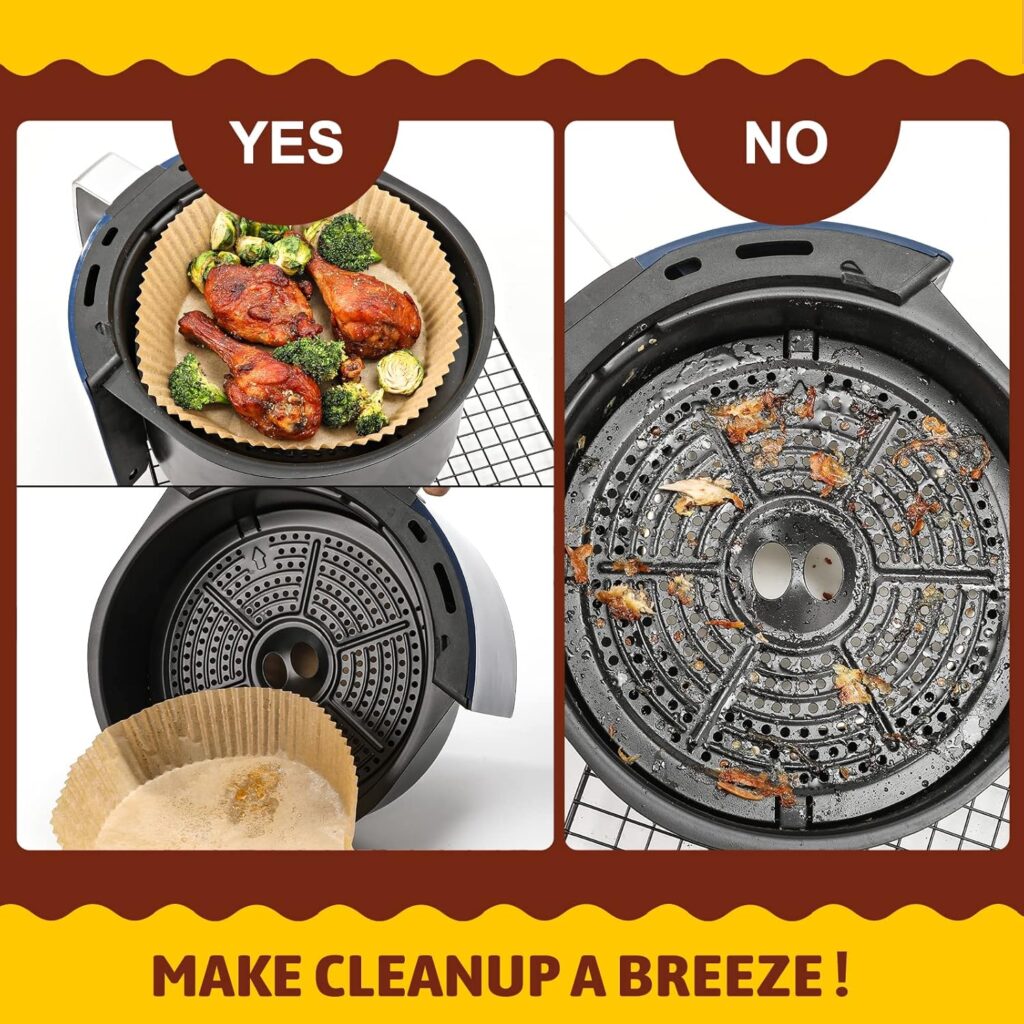
The silicone-coated surface kept even saucy and glazed foods from sticking. Sticky marinades lifted cleanly off the liner. For breaded or heavily crusted foods, the liners prevented the majority of crumbs from adhering to the basket, which made disposal easy.
Oil and water resistance
We tested greasy fried items and watery sauces. The liners held oil and liquid droplets without soaking through or collapsing, and the food stayed on the liner when we lifted it out. Residual oil on the liner was contained and did not transfer to the basket underneath.
Heat distribution and crispiness
One concern with liners is whether they block airflow and reduce crisping. Because these are thin parchment and bowl-shaped with open edges, we did not observe any meaningful loss of crispiness for wings, fries, or breaded items at normal cook times. Unlike silicone mats, the parchment does not insulate hot air as much, so air fryer performance remained close to usual.
Durability and tear resistance
The 45 gsm thickness felt sturdier than many disposable papers. We were able to lift hot food without tearing or shredding in most cases. Extremely heavy or very saucy items sometimes stressed the liner, but it still performed better than thin parchment options.
Usability and Convenience
The main selling point of these liners is convenience. Below we assess how easy they are to use and any quirks we discovered.
Ready-to-use pre-cut shape
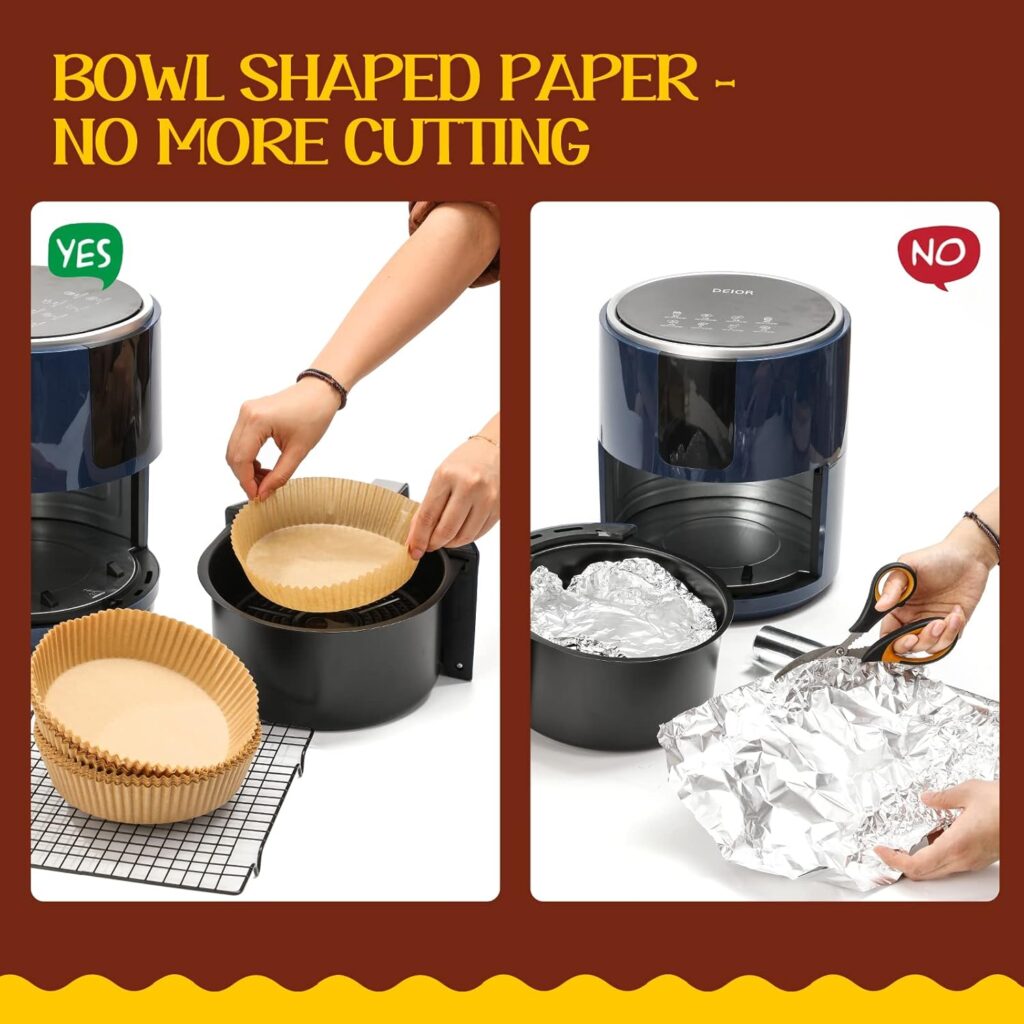
The bowl-shaped pre-cut design is a major convenience: no cutting, trimming, or measuring required. We simply placed a liner inside the basket and added ingredients. This saved time and reduced waste compared to cutting full sheets.
Storage and handling
We stored the pack in a kitchen drawer without issue. The liners are light and stackable; they don’t take much space. They can be slightly stiff when new but loosen with handling.
Single-use vs multiple-use
These are intended as disposable single-use liners. We attempted reusing a clean liner for reheating low-residue items once, but we recommend single use for food safety and convenience.
Practical Tips for Best Results
We tested common mistakes and learned a few simple habits that keep the liners safe and effective.
Always weigh down the liner with food
If the liner isn’t sufficiently weighted down, it can lift into the heating element and burn. We always add food before starting the fryer and never run it empty with a loose liner.
Avoid using during pre-heat unless weighted
Pre-heating with the liner in place can be risky. If pre-heating is necessary, place the liner and food in the basket before starting, or remove the liner during pre-heat. This prevents the liner from being lifted and contacting the element.
Use appropriate temperature settings
While the liner can withstand up to 428°F, we advise staying within typical air fryer temperatures (usually below 400°F) and not exceeding the recommended limits in the fryer manual.
Trim for larger baskets (carefully)
If the basket is larger and the liner is only intended to cover part of the base, we suggest using multiple liners spaced carefully or switching to a larger custom-cut parchment. Cutting these pre-shaped liners can compromise their bowl structure, so do so only when necessary.
Environmental and Disposal Considerations
People ask whether disposable liners are wasteful. We considered the environmental aspects and practical disposal options.
Compostable and biodegradable notes
The liners are unbleached parchment made from natural wood pulp, but they have a silicone coating. Plain parchment is often compostable, but the silicone coating can complicate industrial compost standards. We recommend checking local composting rules; in most curbside organics programs, coated parchment may not be accepted. For household compost, small amounts mixed into a hot compost pile may break down, but the silicone coating may slow decomposition.
Recycling and disposal
These liners should not go into regular recycling. The easiest option is to discard them with general waste after use. For minimal environmental impact, we recommend using them selectively—when they significantly reduce heavy cleaning or avoid cross-contamination—rather than for every single batch.
Comparison with Alternatives
We compared these parchment liners to other common solutions: silicone mats, reusable air fryer liners, and cutting parchment paper from sheets.
Versus silicone mats
Silicone mats are reusable and durable but can block air circulation and affect crispiness. The disposable parchment liners let air move more freely and don’t require washing, but they generate waste. We favor these liners when we want crisp results and minimal cleanup, and a silicone mat when we want reusability and durability.
Versus custom-cut parchment from sheets
Cutting parchment allows custom sizing and can be compostable if uncoated. However, cutting takes time and precision. The pre-cut bowl shape saves us time and is more convenient, but custom sheets give better coverage for larger baskets.
Versus reusable stainless or mesh liners
Metal or mesh liners can be cleaned and reused indefinitely and withstand higher temps, but they don’t prevent every drip from reaching the basket and can be cumbersome to scrub. The disposable liners eliminate most of the scrubbing and contain sauces more effectively.
Pros and Cons Summary
We like to weigh pros and cons clearly so readers can decide quickly.
Pros
- Significant reduction in basket cleaning and scrubbing.
- Pre-cut bowl shape (6.3-inch) saves time—no measuring or cutting.
- Non-stick silicone coating helps with sticky, saucy foods.
- Unbleached parchment with thicker 45 gsm construction resists tearing.
- Works in air fryer, oven, microwave, frying pan, and Instant Pot (with care).
- Large 120-piece pack provides long-term convenience.
Cons
- Limited to 6.3-inch bottom size—measure basket before buying.
- Not suitable during pre-heat unless fully weighted down with food.
- Silicone coating may complicate composting or industrial biodegradation.
- Single-use disposables increase waste compared with reusable options.
- May not completely replace cleaning for very large or irregular baskets.
Real-World Use Cases and Recipes
We tested a handful of common air fryer recipes to show how the liners perform with different foods.
Crispy chicken wings
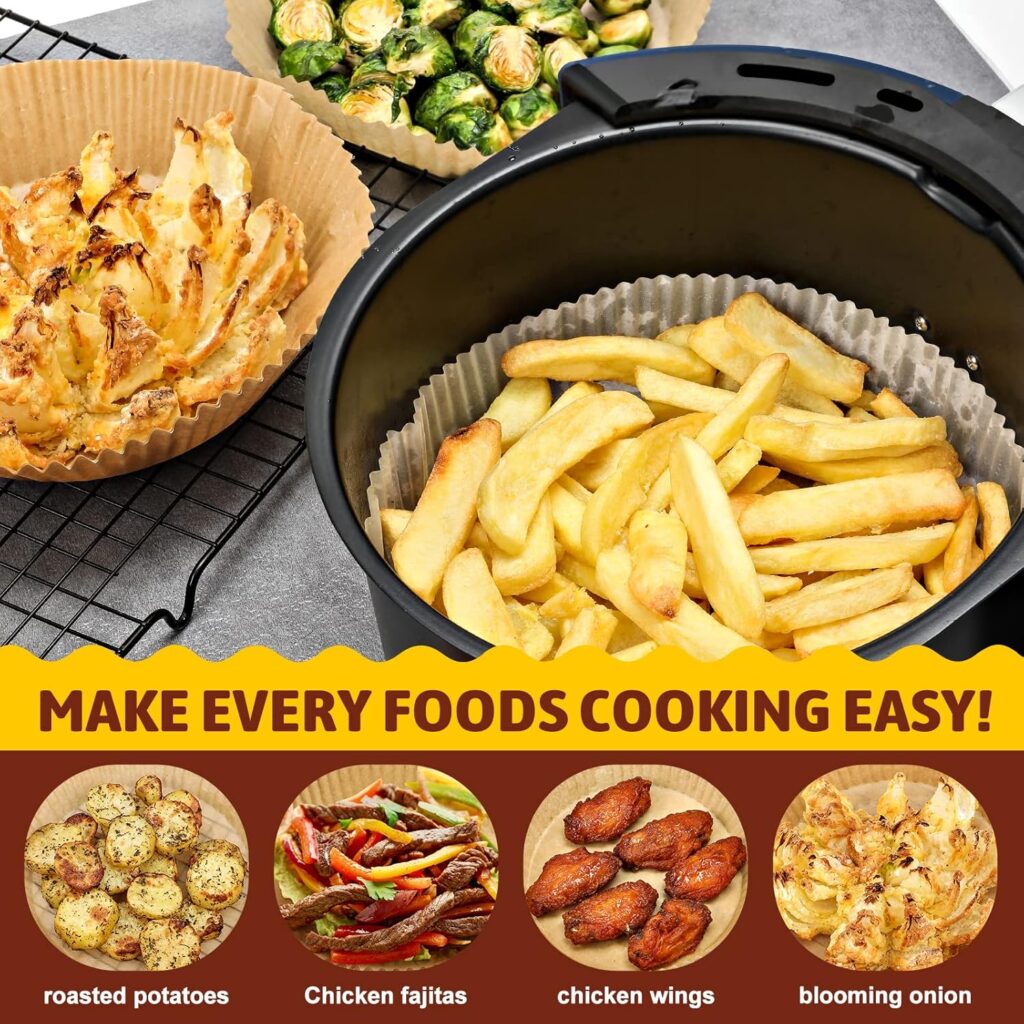
We arranged wings directly on the liner. The liner contained grease drips and the wings crisped nicely without sticking. After cooking, we lifted the liner and tossed it—minimal mess remained in the basket.
Sticky glazed salmon
We placed salmon fillets with a honey-soy glaze on the liner. The glaze didn’t bond to the basket and came away with the liner. The fish cooked evenly and the liner held liquids well without breaking.
Roasted vegetables
For mixed vegetables with a bit of oil, the liner prevented small pieces from slipping through and avoided burning. The veggies caramelized well and left only minimal residue on the liner.
Baked goods and reheating
We used liners for small muffins and reheating leftover pizza slices. The liners behaved like parchment, prevented sticking, and made removing items simple.
Troubleshooting Common Issues
We recorded issues users might face and solutions we recommend.
Liner lifting during cooking
Cause: Not enough weight from food or air currents in the fryer. Fix: Always place food on the liner and don’t run the fryer empty. For light items, place a small weight (metal utensil-safe object) under food or use a different cooking method.
Liner tearing when lifting food
Cause: Overloaded with heavy, greasy items, or a crack in the liner from pre-cut edges. Fix: Use two liners for heavy meals, or transfer food with a spatula rather than lifting by the liner.
Burning when contacting heating element
Cause: Liner got caught in upward airflow or was exposed during pre-heat. Fix: Do not pre-heat with a loose liner; ensure the liner is fully seated and weighted before starting.
Packaging, Value, and Cost Effectiveness
We evaluate whether 120 pieces represent good value for typical users.
Value proposition
A pack of 120 liners is generous and likely lasts a small household several weeks to months depending on frequency. For us, they were cost-effective if they eliminated time spent scrubbing or prevented costly basket damage.
When to splurge and when to save
If we cook high-grease or sticky dishes frequently and want quick cleanups, these liners pay for themselves in saved time and reduced wear. If we primarily cook dry items and prefer zero-waste approaches, reusable options may be better.
Frequently Asked Questions (FAQs)
We compiled common questions we had and answered them based on testing and manufacturer guidance.
Are these liners safe for air fryer use?
Yes, when used as intended. The liners are rated to 428°F and are made of food-grade unbleached parchment with a silicone coating. The biggest safety concern is preventing the liner from floating into the heating element—always weigh it down with food.
Can we use them in the oven or microwave?
Yes. They’re suitable for oven and microwave use within the temperature limits and typical operation. Avoid direct flame and ensure no parts of the liner contact heating elements.
Are they compostable or recyclable?
They are unbleached parchment but have a silicone coating. Compostability depends on your local program; many curbside composts may not accept coated paper. They are not recyclable in standard paper streams.
Do they affect crispiness?
In our tests, they did not meaningfully reduce crispiness because the parchment is thin and does not insulate hot air like silicone mats.
Will they fit every air fryer?
No. They are designed with a 6.3-inch bottom and 2-inch edge height. Measure the flat bottom of your basket before purchasing to ensure compatibility.
Final Thoughts and Recommendation
After thorough testing and repeated use, we find the Air Fryer Disposable Paper Liner, 120 Pcs, Non-stick Parchment Frying, Baking, Cooking, Roasting and Microwave – Unbleached, Oil-proof, 6.3-inch to be a highly convenient and practical accessory for many air fryer users. We appreciated the time saved on cleanup, the non-stick performance with saucy and greasy foods, and the sturdy 45 gsm construction that resisted tearing.
We recommend these liners if:
- You have an air fryer with a bottom that measures close to 6.3 inches.
- You regularly cook sticky, saucy, or greasy foods and want to cut cleanup time.
- You value single-use convenience over the environmental impact of disposables.
We suggest considering reusable alternatives if your priority is minimizing waste and you don’t mind occasional extra cleaning. Always follow the pre-heat and weighting warnings to stay safe.
If you have specific air fryer models or typical dishes you cook, we can help confirm fit and give customized tips for the best results.

Disclosure: As an Amazon Associate, I earn from qualifying purchases.