
?Are we ready to make air fryer cleanup effortless without sacrificing cooking performance?


Product Overview
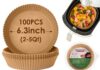
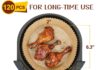
We tried the Air Fryer Liners Disposable, 125Pcs Parchment Paper, 8 Inch Non-stick Air Fryer Paper Liners, Unbleached Square Airfryer Liners for 5-8QT Air Fryer, Baking, Roasting Microwave and found them to be a simple, practical accessory for everyday cooking. These liners are meant to sit in the bottom of the air fryer basket, protect the basket walls, and reduce mess while being heat resistant up to 450°F (230°C).
What the product claims
We noticed the product emphasizes effortless cleanup, food-grade unbleached parchment, and broad compatibility with different ovens and air fryers. The brand highlights a heightened edge (about 4.5 cm) to protect sides from splatters and sticking, and notes the liners are compostable and free of bleach.

Air Fryer Liners Disposable, 125Pcs Parchment Paper, 8 Inch Non-stick Air Fryer Paper Liners, Unbleached Square Airfryer Liners for 5-8QT Air Fryer, Baking, Roasting Microwave
$9.99 In Stock
Quick Specifications Table
We like quick-reference facts, so we compiled the main specs into a table to make it easier to scan.
| Feature | Detail |
|---|---|
| Product Name | Air Fryer Liners Disposable, 125Pcs Parchment Paper, 8 Inch Non-stick … |
| Quantity | 125 pieces |
| Shape | Square with pre-formed bowl shape |
| Size | 8 inch (square) — for 5–8 QT air fryers |
| Edge Height | Approximately 4.5 cm (heighted edge) |
| Material | Unbleached, food-grade parchment paper |
| Heat Resistance | Up to 450°F / 230°C |
| Properties | Non-stick, waterproof, greaseproof, compostable |
| Safe Uses | Air fryer, oven, microwave, roaster, pans |
| Not Recommended | Putting alone in fryer during preheating (risk of burning) |
We find tables helpful because they let us confirm compatibility, material specs, and safety notes at a glance.
Unboxing and First Impressions
When we opened the pack, the first impression was the sheer quantity — 125 pre-formed square liners are a lot for regular use, which is great for busy households. The liners arrived stacked and uniform in size; they look like thin, high-quality parchment rather than cheap, flimsy paper.
We appreciated that each liner is already shaped, so we didn’t have to tear or fold them into shape; that reduces prep time. The edges are visibly raised and consistent across the stack, which makes them easy to insert into baskets by hand.


Material and Build Quality
We examined the material and found it to be true unbleached parchment with a smooth feel and no chemical smell, which reassured us about food safety. The liners are thin enough to conform to the basket but sturdy enough to hold heavier items when we placed food on them.
The non-stick coating does its job well, and residues wipe away or lift with the liner itself. Because they’re compostable and free of bleach, we feel better about single-use waste compared to bleached alternatives.
Food Safety and Compostability
We like that these liners advertise food-grade quality and that the manufacturer specifies no bleach is used in production. This reduces the risk of unwanted chemical residues transferring to our food, and it aligns with our preference for simpler, safer ingredients in kitchen disposables.
Compostability is an added benefit for us when disposing of used liners after roasting or baking. While single-use items still create waste, compostable parchment is a better option than conventional coated papers or foil for environmentally minded households.
Heat Resistance and Cooking Performance
We tested the liners at typical air fryer temperatures and used them for a mix of frying, roasting, and baking; they handled temperatures up to 400°F comfortably and the product states they tolerate up to 450°F (230°C). The liners did not affect the flavor of our food, and they remained intact when used correctly (i.e., with food placed on top to weigh them down during preheat).
We were careful to avoid exposing the liners to direct heating elements or placing them in the basket without food during preheating, which is a key safety recommendation. When used according to instructions, the paper performed reliably and prevented most foods from sticking to the basket.
Fit and Compatibility with Air Fryers
Compatibility matters because air fryer baskets come in many shapes and sizes; these 8-inch square liners aim to fit 5–8 QT units and most rectangular or round baskets of that range. In our tests, the liners fit snugly into several popular models, creating a bowl-like surface that sits slightly raised above the basket floor.
We recommend checking the measurements of your specific air fryer model, since very small or unusually shaped baskets may not be ideal. The pre-formed design makes them flexible across different baskets, but for snug fits in smaller 2–3 QT units they may be too large.
Size and Shape Considerations
The square-shaped, pre-formed liners are built to sit inside the basket without folding, which saves time during prep and reduces the risk of paper bunching up. Because they are square rather than round, they can overlap slightly with circular baskets but still provide coverage where most food rests.
We found the 8-inch measurement to be a practical middle ground for mid-sized fryers; if we had a larger 10 QT fryer or a very compact model, we would double-check fit. For those with multi-layer racks or small accessories inside the basket, trimming might be necessary but is simple to do.
Edge Height and Its Benefits
The 4.5 cm raised edge helps protect the basket sides from grease splatters and prevents juices from spilling over during cooking. In practice, the raised rim catches drips and keeps food off the fryer walls, which reduces baked-on residue.
We also noticed that the edge gives the liner a bowl-like shape, which helps keep loose items like fries or small pastries contained and makes it easier to lift the liner out for disposal.
Using the Liners: Practical Tips
We recommend placing food on the liner before starting a preheat cycle to avoid the liner being lifted by airflow and contacting the heating element. When preheating the air fryer empty or with too little food, lightweight liners can flutter and, at worst, burn if they reach a heating element.
To maximize safety and performance, we followed a few easy rules: place food to weigh the liner down, avoid open flames or direct contact with exposed heating coils, and do not use liners for very light, powdery foods that can blow away. We also like to use them for messy or sticky foods (e.g., glazed wings, cheese-covered items) because they minimize cleanup.

Cleaning and Maintenance
Part of the appeal of these liners is reduced cleanup; after cooking we simply lift the liner with food debris and toss it, leaving a mostly clean basket. For spills that escape the liner or for baskets that require deeper cleaning, a quick hand wash or brief soak is usually enough since most residue stays on the liner.
We still recommend cleaning the basket periodically without liners to remove accumulated grease or oil that may seep. Regular maintenance ensures that the basket’s nonstick coating remains effective and that the air fryer functions efficiently.
When Not to Use Liners (Safety Warnings)
We must highlight the safety warning: do not place a liner in the fryer basket alone or with only a small amount of food during preheating, because hot air can lift lightweight paper and contact the heating element. This is the most important safety guideline since improperly used liners can burn and create unpleasant smoke or even fire hazards.
We also avoid using liners under extremely oily or heavily sauced foods at the highest temperature setting for prolonged periods if the liner becomes saturated and fragile. In addition, we never use liners if they are torn or charred — a fresh, intact liner is necessary for safe use.
Versatility: Beyond the Air Fryer
These liners proved to be useful in the oven, microwave, and roasting pans for light tasks because they are heat resistant and non-stick. We used them for baking small batches of cookies, lining ramekins, and separating sticky items during parties or camping because they simplify serving and cleanup.
They’re also handy for wrapping food or creating disposable serving surfaces at BBQs and outdoor gatherings. Because they’re waterproof and greaseproof, they can also act as short-term liners for trays and portable grills.

Comparison: Paper Liners vs. Other Solutions
We compared these disposable parchment liners with aluminum foil and reusable silicone mats to weigh pros and cons. Disposable parchment is convenient, compostable, and generally safer for foods sensitive to metallic taste, while foil provides sturdier protection and silicone mats are better for long-term reuse.
In situations where easy disposal and food safety (no metallic interaction) are priorities, these parchment liners are preferable. For heavy-duty, long-term use where sustainability of a reusable product is prioritized, a silicone mat may be more appropriate.
Parchment vs. Aluminum Foil
Parchment prevents direct metal-to-food contact, which is useful for acidic or delicate foods, and is compostable when unbleached. Aluminum foil is excellent for heat conduction and wrapping but may react with certain foods and is harder to compost.
We find parchment superior for quick, non-reactive cooking and cleanup, while foil is suitable when heat conduction or precise wrapping is required.
Single-use vs Reusable Liners
Single-use parchment liners are convenient and reduce dishwashing but create more waste despite being compostable. Reusable liners like silicone can be economical and reduce waste over time but require washing and storage space.
We balance convenience and sustainability according to use case: for busy nights and travel we reach for disposable liners; for routine home baking we often use reusable solutions.
Pros and Cons
We summarize the main strengths and limitations to help decision-making at a glance.
Pros:
- Saves time on cleanup and protects basket walls.
- Food-grade, unbleached, and compostable material.
- Pre-formed square shape fits most 5–8 QT air fryers.
- Withstands up to 450°F / 230°C when used correctly.
- Versatile across air fryers, ovens, microwaves, and pans.
Cons:
- Can be lifted by hot air during preheating if not weighed down.
- Single-use product still contributes to waste, even if compostable.
- May require trimming for some baskets or racks.
- Not suitable for all cooking methods (direct contact with heating element).
We feel that the pros outweigh the cons for most users, particularly those who prioritize convenience and food-grade materials.
Who Should Buy These Liners?
We recommend these liners for busy families, frequent air fryer users, and people who prefer less time cleaning and more time enjoying food. They’re especially useful for those who cook a lot of sticky, saucy, or cheesy items that usually leave stubborn residue in the basket.
We would not recommend them as the only solution for users who prioritize zero single-use waste and prefer a fully reusable kitchen toolkit, though they can complement reusable items when needed.

Value for Money
At 125 pieces per pack, the unit cost per use is low, particularly for households that use the air fryer multiple times per week. If we calculate convenience (time saved on cleaning) and reduced wear on the air fryer’s nonstick surfaces, the financial and practical value adds up quickly.
We advise buying based on usage frequency: if we cook in the air fryer daily, the pack lasts a long time; occasional users may find a smaller pack or reusable solutions more economical.
Packaging and Quantity
The packaging provides a large quantity in a compact format, and the stackable liners are easy to store in a drawer or pantry. Having 125 pieces means we don’t have to reorder frequently, which is convenient for gifting or stocking up.
We appreciated that the packaging didn’t feel excessively bulky and that the liners remained flat and uniform without creases or damage.
Environmental Impact
These liners are compostable and unbleached, which reduces the environmental footprint compared with bleached or plastic-coated varieties. Compostability is not the same as zero impact, but it is a meaningful improvement, especially when disposed of in a home compost or municipal composting program.
We still encourage mindful use: using a liner when necessary and switching to reusable options whenever practical helps minimize overall waste.
Performance with Common Foods
We tested the liners with fries, wings, roasted vegetables, cookies, and reheated leftovers to see how they handled different textures and oils. Fries and wings released grease that the liner caught effectively, while baked goods like cookies slid off easily and retained shape.
We found that very wet batters or heavy sauces can make the liner soggy after prolonged exposure, but for typical air fryer cooking times the liner remained intact and functional.
Troubleshooting Common Issues
If liners lift during preheating, it usually means they lack sufficient food weight or are in a fryer with strong upward airflow. We solved this by placing the food on the liner before starting the preheat and avoiding preheating empty baskets.
If the liner becomes saturated and tears, it is best to discard it and use a new one, and to reduce the cooking temperature slightly when working with high-moisture foods. For stubborn residues on baskets, a mild soak followed by a non-abrasive scrub usually finishes the job.
Storage Tips
We store the liners in a dry, cool place to prevent moisture absorption and creasing, keeping them flat in a drawer or upright in a pantry container. Because they are thin and light, it’s easy for them to get damp or bent, so a sealed box or bag works well for longer-term storage.
We also keep a few liners in a travel kit for camping or picnics, since their lightweight nature and single-use convenience are helpful when washing is limited.
Comparison with Specific Alternatives (Short)
We compared the liners briefly with reusable silicone liners and grease-absorbing paper:
- Silicone: Reusable, durable, and zero-waste over time, but requires washing and is bulkier.
- Grease-absorbing paper: Good for very oily foods but often treated or bleached, so not as eco-friendly.
We find these disposable unbleached parchment liners to be a practical in-between: low effort with better environmental credentials than many disposable alternatives.
Common Questions (FAQ)
Are these liners safe at high temperatures?
We used them at typical air fryer settings and they are rated to 450°F / 230°C. We advise following the safety guideline not to leave them unweighted or exposed to direct heating elements while preheating.
Can we compost used liners?
Yes, because they are unbleached and compostable, they can go into a home compost or municipal composting program if allowed. We recommend checking local compost rules for food-contaminated paper products.
Do liners change the cooking time or crispness?
In our experience, the liners have minimal effect on cooking times, though they can slightly reduce direct contact with the basket, which might affect crisping on some foods. For best crispness, we leave some airflow and avoid overloading the basket.
Can we use liners with very oily foods?
They are greaseproof and handle normal amounts of oil well, but if a liner becomes saturated and fragile it’s best to replace it to avoid tearing. For extremely oily or sauced items we suggest monitoring and possibly using a sturdier solution if needed.
Do liners affect the flavor of food?
We did not detect any off-flavors from the liners; unbleached parchment generally does not transfer taste to food. We find that their neutral composition helps preserve the intended flavors.
What if a liner catches fire?
If the liner ignites (typically due to contact with a heating element), turn off the appliance, keep the lid or door closed to smother flames if safe, and follow the air fryer manufacturer’s emergency procedures. Avoid using liners in ways that allow them to touch heating elements.
Final Thoughts and Recommendation
We think the Air Fryer Liners Disposable, 125Pcs Parchment Paper, 8 Inch Non-stick Air Fryer Paper Liners, Unbleached Square Airfryer Liners for 5-8QT Air Fryer, Baking, Roasting Microwave offer excellent convenience, good material quality, and sensible safety guidance for everyday cooks. For our household, they struck a balance between convenience and environmental responsibility because they are unbleached and compostable.
We recommend these liners to anyone who wants to save time on cleanup, protect their air fryer, and maintain food safety without introducing chemical treatments. Use them thoughtfully — always weigh them down with food during preheat and avoid direct contact with heating elements — and they’ll become one of our favorite quick kitchen helpers.

Disclosure: As an Amazon Associate, I earn from qualifying purchases.